
A CNC prototype is most valuable when it answers a defined engineering question: fit, function, load path, thermal behavior, assembly, appearance or manufacturing risk. The process can use production-intent material while preserving flexibility for design changes.
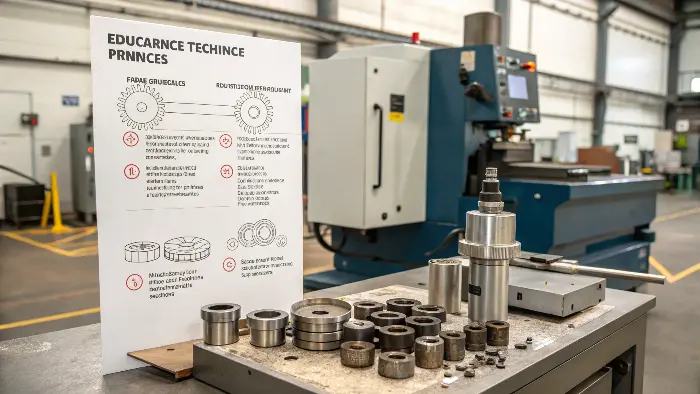
An appearance model may prioritize cosmetic surfaces and finish; a functional prototype may prioritize interfaces, material condition and test loads. State which features must represent production and which can be simplified. This avoids paying production-level cost for dimensions that do not affect the learning objective.
Early review can identify inaccessible features, unnecessarily tight tolerances, fragile walls, ambiguous datums and finish buildup. Each design change should receive a new revision. Do not replace a CAD model while leaving an old drawing revision in the RFQ package.
After testing, freeze functional datums, critical characteristics, material, finish and inspection method. The next batch can then add repeatable fixtures, first-piece approval and sampling. A prototype program should not silently become production without reviewing these controls.
Content reviewed for manufacturing accuracy by the QuickCNCs engineering coordination team. Updated August 29, 2026.