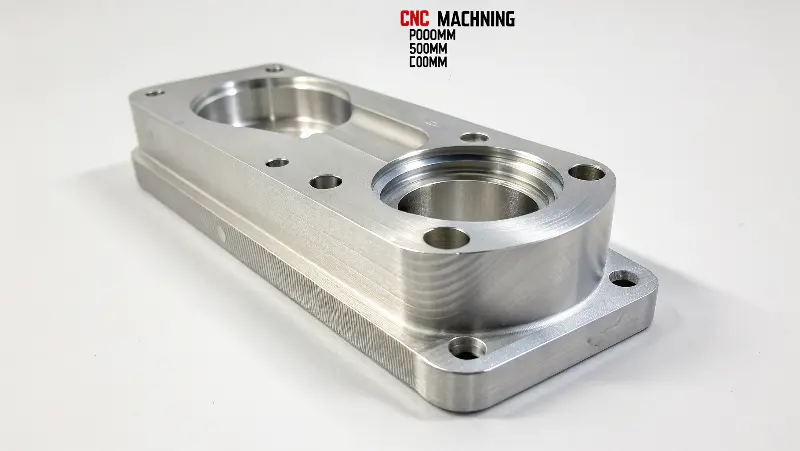
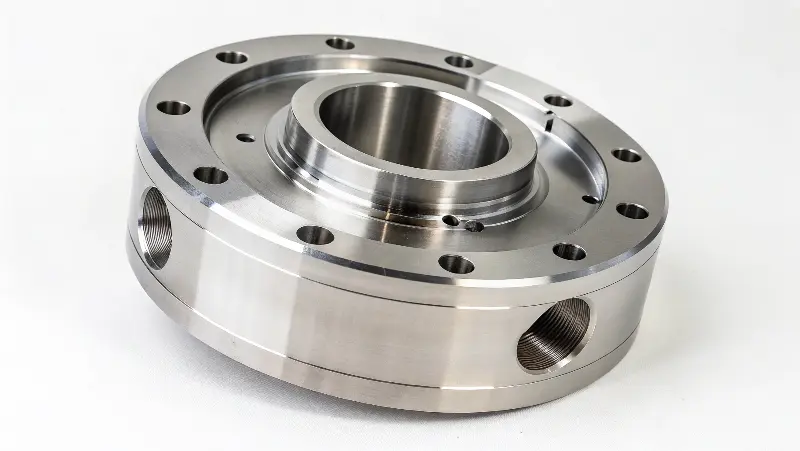
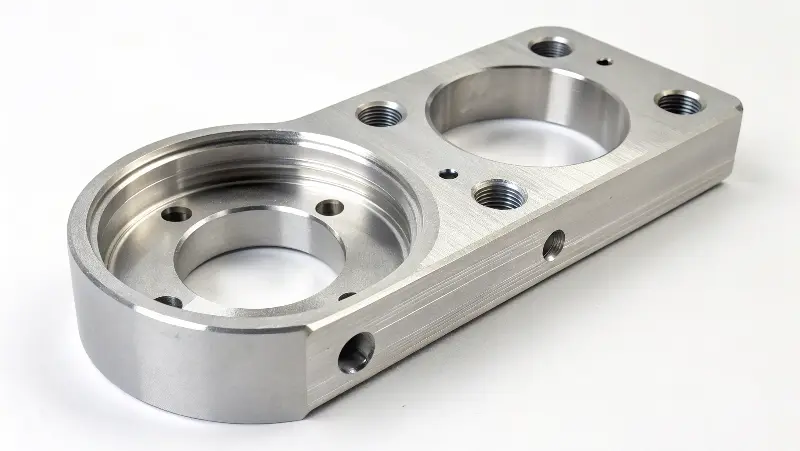
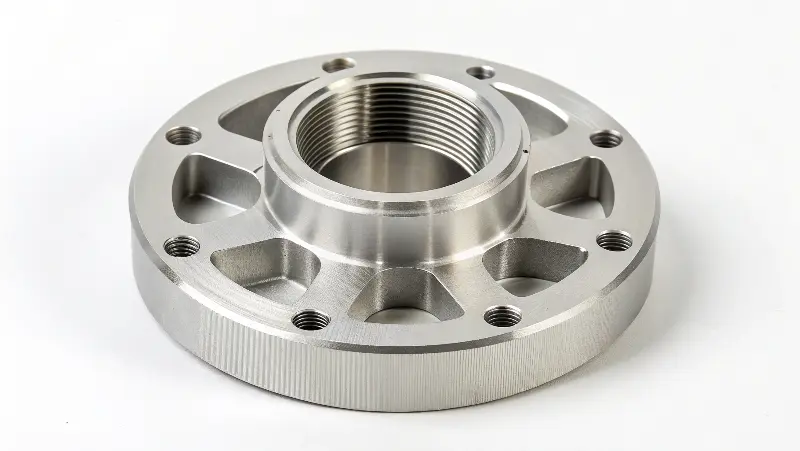
This 420 stainless-steel example helps buyers prepare an RFQ for a 1000 × 600 × 200 mm component requiring 3-axis / 4-axis CNC milling, polishing and a project-specific ±0.01 mm tolerance. Material condition and the timing of heat treatment must be agreed before final dimensions are planned.
420 stainless steel may be supplied annealed or in a hardened condition, and machinability changes accordingly. The customer drawing or RFQ should state hardness, heat-treatment responsibility, corrosion and polishing expectations, and whether critical dimensions apply before or after thermal processing.
Annealed or Hardened Material Condition
The supplied state affects cutting strategy, achievable stock removal and tool life. Heat-treatment responsibility and target hardness should be confirmed before deciding which dimensions are left for later finishing.
Tool Wear and Stock Allowance
Tool condition can influence size, finish and process stability in 420 stainless steel. Roughing allowance, semi-finishing and any post-treatment correction stock should be assigned to the features that carry the drawing requirement.
Polishing and Final Dimensional State
Polishing can alter edges and local dimensions, while heat treatment can influence geometry. The drawing should therefore state whether acceptance applies before or after those operations and which surfaces receive cosmetic or functional finishing.
Process Plan
Drawing Review → 420 Condition and Hardness Confirmation → Heat-Treatment Sequence Planning → Rough Milling with Reserved Stock → Finish Machining and Polishing → Final-State Inspection
Drilling, threads, grinding or post-treatment correction are included only when the current drawing and quotation define them.
Inspection Approach
CMM, micrometer, bore gauge or height gauge may be selected from the actual feature and datum scheme. Surface roughness measurement may support polished-surface requirements, and hardness testing is defined when heat-treatment acceptance is part of the order. No equipment is assumed before drawing review.
What This Example Demonstrates
This example helps customers clarify material condition, heat-treatment timing, stock allowance, polishing and the final dimensional state required for large 420 stainless components.