
Robotics components often combine weight limits, stiffness, moving interfaces, cable paths, bearing fits and multi-face geometry. A practical route balances material removal with workholding stability and preserves datums between related joint features.
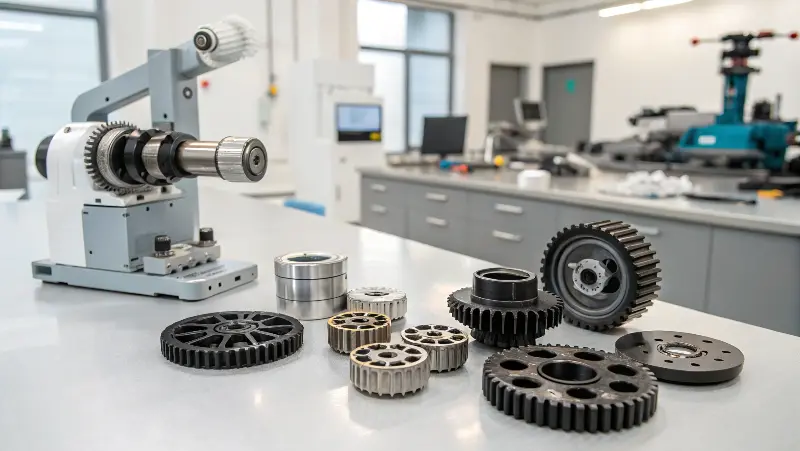
Typical components include joints, motor mounts, brackets, housings, end-effector parts and structural connectors. Aluminum supports lightweight structures and anodized appearance; steels support wear and load; engineering plastics suit covers, guides and isolation features. Grade and condition must be specified.
3+2 or five-axis machining can reduce setup transfers for angled holes and related bearing seats. Thin ribs and pockets need balanced stock removal and stable clamping. Lightweighting should retain tool access, usable internal radii and inspection access.
Prototype parts can validate kinematics, assembly and cable routing. Before a repeated batch, freeze interfaces, finish, fastener standards and critical measurements. First-piece confirmation and controlled revisions prevent a successful prototype from drifting during later orders.
Content reviewed for manufacturing accuracy by the QuickCNCs engineering coordination team. Updated August 29, 2026.