
Mold and tooling work is defined by datum continuity, tool-steel condition, heat-treatment movement, shutoffs, wear interfaces and the combined machining route. QuickCNCs reviews milling, EDM, wire cutting and grinding as connected operations.
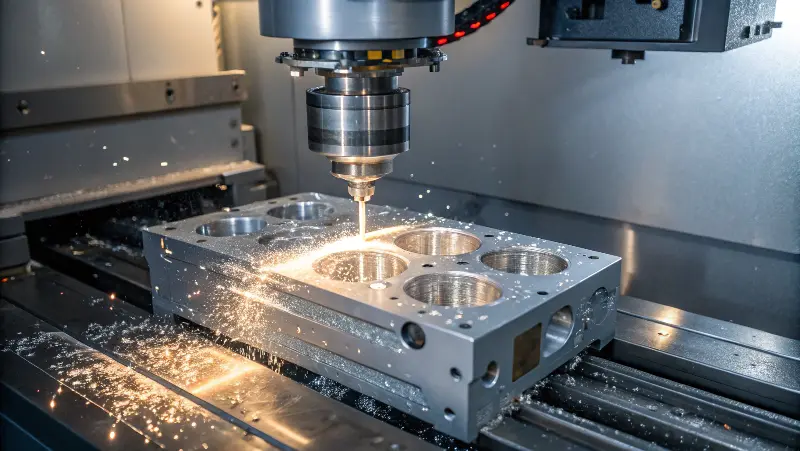
Typical work includes cores, cavities, inserts, slides, lifters, electrodes, wear parts, plates and replacement components. The RFQ should include controlled 3D and 2D data, material and hardness, molding-surface requirements, EDM texture or polishing scope, mating information and requested CMM evidence.
Rough machining establishes stock and references before heat treatment. Final hard milling, sinker EDM, wire EDM and surface grinding are assigned by feature geometry and required finish. Electrode offsets, grinding allowance and datum transfers must be coordinated rather than quoted as isolated operations.
A replacement part may require verified revision data, condition of the mating tool, wear allowance and measurement of an existing sample. Reverse engineering from a worn component can reproduce wear; critical interfaces should be tied to assembly requirements.
Content reviewed for manufacturing accuracy by the QuickCNCs engineering coordination team. Updated August 29, 2026.