
CNC machining is appropriate when a part needs controlled geometry, production material and documented dimensional acceptance without dedicated molding or casting tooling. QuickCNCs reviews the drawing to choose a process route instead of forcing every feature onto one machine.
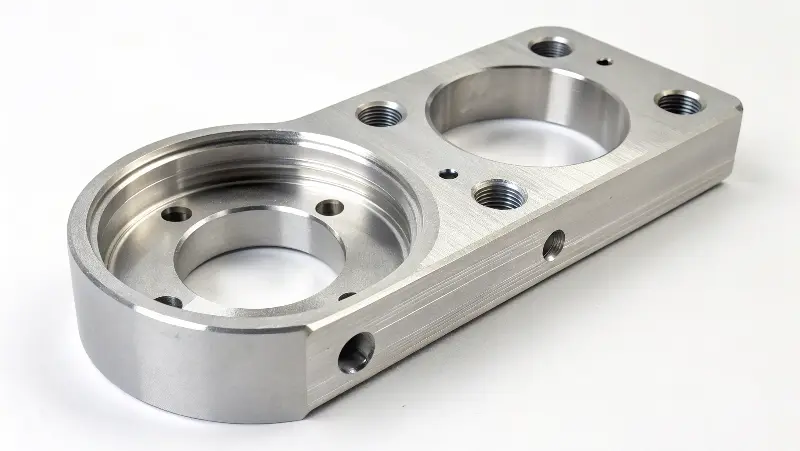
Prototype routes prioritize feedback and speed; low-volume routes add repeatable workholding and first-piece confirmation; repeat production adds program control, material-lot records and a documented inspection cadence. The RFQ should state the intended stage so the quotation does not assume unnecessary production tooling.
Specify alloy and condition, not just “aluminum” or “steel.” State masking, cosmetic zones and post-finish dimensions. Request material certificates, dimensional reports or first-article records before quotation so the cost and delivery plan include them.
Provide controlled 3D and 2D data, material and condition, quantity, finish, critical characteristics, inspection documentation and target delivery. State any approved alternatives or supplier restrictions.
Tolerance is reviewed by feature against size, geometry, material, setup, process sequence and measurement. The quotation records assumptions; it does not extend one tight value to every dimension.
Selected dimensional reports, first-article records or material documents can be included when the required scope and format are stated before quotation.
Not necessarily. Machine ownership and partner-supported processes are distinguished during capability confirmation where they affect confidentiality, quality or delivery.
Upload the model, drawing and project requirements through the Request a Quote form. Complete RFQs are targeted for review within one business day, subject to complexity and clarification.
Content reviewed for manufacturing accuracy by the QuickCNCs engineering coordination team. Updated August 29, 2026.