
Finding a reliable CNC machining partner feels overwhelming. You send out RFQs and get a flood of quotes, but you worry about quality, communication, and if your designs are safe. The wrong choice can lead to costly delays, bad parts, and endless frustration, putting your entire project at risk.
To select the right CNC machining partner in China, you must look beyond the price. Evaluate their technical capabilities by checking their equipment and quality control systems. Assess their communication skills and responsiveness. Review their portfolio for relevant experience, and always ensure they have strong IP protection measures, like a willingness to sign an NDA, before you share any sensitive designs.
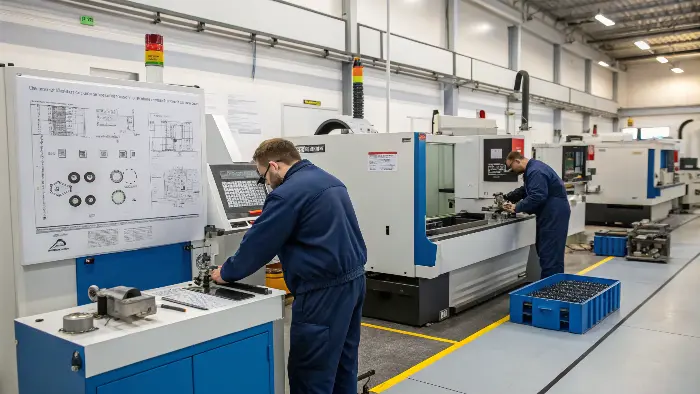
Choosing a partner from thousands of miles away can feel like a gamble. You can’t just walk down to their shop floor. But I’ve spent over a decade bridging this exact gap for engineers just like you. I started on the shop floor myself, and now I help global companies source parts from China with confidence. There is a clear process you can follow to find a partner who delivers not just parts, but peace of mind. Let’s break down what you really need to look for.
How Do You Verify a Supplier’s Technical Capabilities and Equipment?
You have a complex part with tight tolerances. You send the drawing to a potential supplier, and they say "no problem." But how do you know they actually have the right tools and skills? Trusting a simple email confirmation can lead to disaster, with parts arriving out of spec and your project timeline shattered.
Verify a supplier’s capabilities by requesting a detailed equipment list and asking about their quality control processes. Look for modern, well-maintained machines like 5-axis CNC centers for complex parts. Also, confirm they have inspection tools like CMMs and can provide material certifications and full dimensional inspection reports. This proves they can not only make your part but also verify its quality.
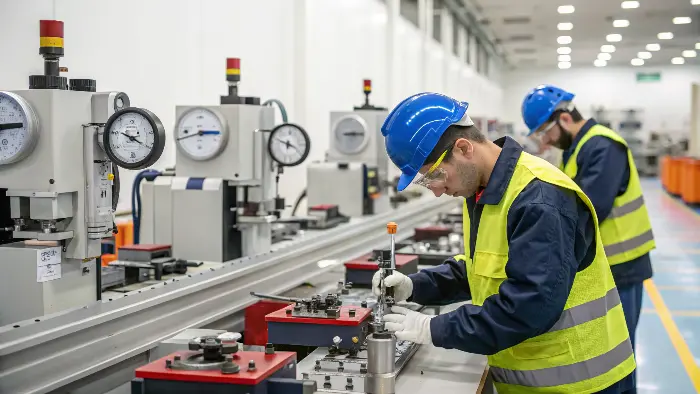
A supplier’s website might look impressive, but the real story is on their equipment list and in their quality control room. When I work with a new client, I encourage them to dig deeper than the surface. It’s not just about having a CNC machine; it’s about having the right CNC machine and the processes to back it up. I remember a client from Germany who was developing a new robotic joint. He chose a supplier based on a very low price, who promised they could hold the ±0.01mm tolerance. The parts arrived, and the critical dimensions were all over the place. It turned out the supplier was using an old 3-axis machine and trying to get by with clever setups, but it just wasn’t repeatable. We had to remake the entire batch, which cost him weeks of delay.
Machine List and Technology
The first thing to ask for is a complete list of their machines. Don’t just accept "We have CNC machines." Ask for the brand, model, and, most importantly, the number of axes. For complex parts, a 5-axis machine is often essential.
| Machine Type | Best For | Key Advantage |
|---|---|---|
| 3-Axis CNC | Simpler parts, prismatic shapes, drilling, tapping. | Cost-effective and fast for less complex geometries. |
| 4-Axis CNC | Parts requiring rotation on one axis, like cams or gears. | Allows machining on the sides of a part without a new setup. |
| 5-Axis CNC | Highly complex parts, organic shapes, aerospace parts. | Can machine on five sides of a part in a single setup, ensuring accuracy. |
Quality Control Systems
Making the part is only half the battle. Verifying it is just as important. A serious partner will have a dedicated quality department. Ask them about their ISO 9001 certification. This shows they have a documented, repeatable quality management system. More importantly, ask about their inspection equipment. Do they have a Coordinate Measuring Machine (CMM)? A CMM is critical for accurately measuring complex geometries and tight tolerances. Always ask if they can provide a full CMM report with your first articles or prototypes. This is non-negotiable for precision components.
What Should You Look for in a Supplier’s Portfolio and Case Studies?
A supplier claims they can handle your project. They have the machines and the quality certificates. But have they ever made something similar to your part? Without proof of relevant experience, you are taking a risk. You could be their first attempt at making a part for the robotics industry, or their first time working with a material like Inconel.
When reviewing a portfolio, look for direct evidence of success in your specific industry and with similar materials. Don’t just look at pretty pictures. Ask for case studies that detail the challenges, the materials used, the tolerances achieved, and the client’s industry. This shows they have solved similar problems before and are not just guessing.
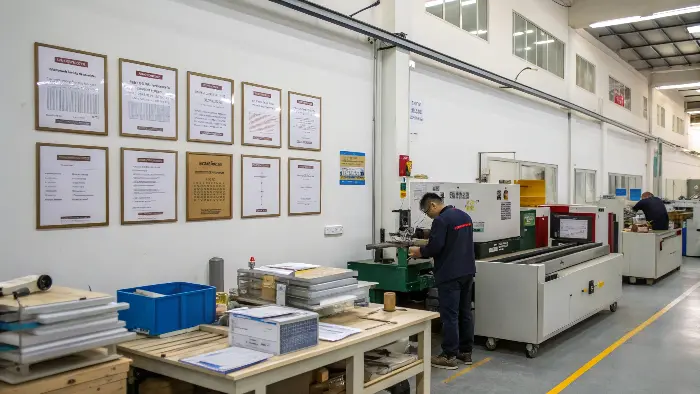
A portfolio is a supplier’s resume. It tells you where they have been and what they are good at. I always tell my clients to treat it like a job interview. You wouldn’t hire an accountant to do a marketing job, so why hire a supplier that only makes simple brackets to produce your high-precision medical device components? A few years ago, a startup in the drone space came to me. They needed lightweight, strong chassis parts from carbon fiber composite. They had been talking to a shop that showed them beautiful pictures of machined aluminum parts. The shop was great at aluminum, but they had never touched carbon fiber. I guided the client to a partner whose portfolio was filled with composite parts for aerospace and drones. The difference was night and day. The new partner immediately gave feedback on the design to make it easier to machine, saving the client time and money.
Industry Relevance
The most important factor is relevance. If you are in the medical device industry, you want to see parts they have made for other medical companies. This proves they understand the strict requirements for surface finishes, material traceability, and cleanliness that your industry demands. A supplier focused on automotive parts might be great at high-volume production, but they may not have the mindset for the low-volume, high-mix precision work needed for robotics or scientific instruments.
Complexity and Materials
Look for proof that they can handle the level of detail your parts require. A good portfolio will showcase this clearly.
| What to Look For | Why It Matters |
|---|---|
| Complex Geometries | Shows they have advanced machining capabilities (like 5-axis) and skilled programmers. |
| Tight Tolerances | Look for examples with tolerances of ±0.02mm or better. This proves their precision. |
| Difficult Materials | If they show parts made from stainless steel, titanium, or engineering plastics, it shows they have experience with more than just aluminum. |
| High-Quality Finishes | Check for examples of anodizing, polishing, or bead blasting. It shows they manage post-processing well. |
Ask them to walk you through a case study of a part that looks challenging. A good project manager should be able to explain the process from start to finish. This gives you a great feel for their technical depth and problem-solving skills.
Why is Clear Communication More Important Than Price?
You found a supplier with an incredibly low price. You’re excited to save money. But when you ask a technical question, the reply takes two days and doesn’t answer what you asked. Small misunderstandings about your drawing lead to big mistakes in the final parts. The money you saved is quickly eaten up by rework and delays.
Clear, fast, and accurate communication is essential because it prevents costly errors and delays. A good partner acts as an extension of your team. They should have English-speaking engineers or project managers who can understand your technical requirements, provide DFM feedback, and respond to questions quickly. This proactive communication is more valuable than a low initial price.
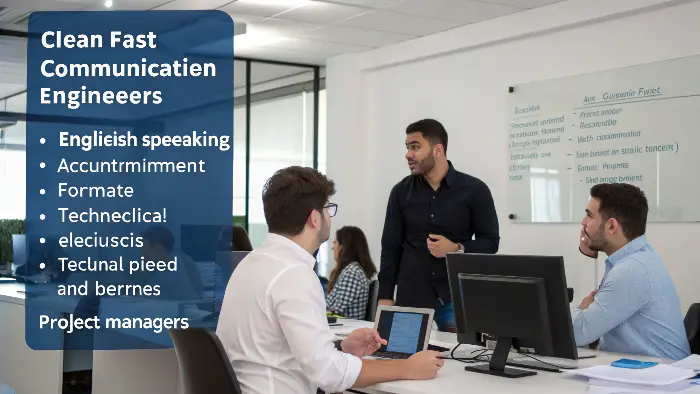
Over my career, I have seen more projects fail due to poor communication than poor machining. Machining is a science, but getting it right across continents is an art. It requires a human touch. I remember a project for a client in the US who needed a set of aluminum housings. The drawing had a note in English about a specific surface finish on an internal feature. The first supplier they tried just ignored it. Their sales contact didn’t understand the technical importance and never passed it to the engineers. The parts were functionally useless. When they came to us, our project manager, who is also an engineer, immediately flagged the note. He sent an email with a marked-up screenshot to confirm the exact requirement. That simple, proactive step is the difference between a supplier and a partner.
Response Time and Clarity
In a fast-paced development cycle, you can’t wait days for an answer. A good partner should be able to respond to emails within 24 hours. But speed is not enough. The answers must be clear and accurate. Vague replies like "we will check it" are red flags. You want detailed answers that show they have understood your question.
| Good Communication | Bad Communication (Red Flags) |
|---|---|
| Responds within 24 hours. | Takes days to reply. |
| Answers are from an engineer or technical PM. | Answers are from a salesperson who can’t discuss technical details. |
| Asks clarifying questions about your design. | Says "yes" to everything without questioning. |
| Provides DFM feedback to improve your part. | Never offers suggestions for improvement. |
The Cultural and Language Bridge
Working with a Chinese supplier means navigating a different language and business culture. A top-tier partner will have a team specifically trained to work with international clients. These project managers are not just translators. They understand Western engineering standards, drawing conventions (like GD&T), and expectations. They act as your advocate on the factory floor, ensuring your requirements are not lost in translation. This bridge is critical. Without it, you are essentially throwing your designs over a wall and hoping for the best. A partner who invests in this bridge is investing in your success.
How Can You Balance Cost Against True Value and Quality?
You get two quotes. One is 30% cheaper than the other. It’s tempting to immediately choose the lower price to save budget. But that cheap quote often hides future costs. It might not include proper inspection, it might use lower-quality material, or it might come from a shop that will cause delays. The "cheaper" part ends up costing you more in the long run.
Balance cost and value by looking at the Total Cost of Ownership, not just the unit price. A true partner provides value through DFM feedback, reliable quality, and on-time delivery. A slightly higher price from a reliable supplier is an investment that prevents expensive rework, project delays, and communication headaches. The cheapest quote is rarely the best value.

I learned this lesson the hard way early in my career when I was helping a client source a simple bracket. We went with the cheapest option to impress the client with savings. The parts arrived late, and half of them had burrs that needed to be removed by hand. The client’s assembly line had to stop while their own engineers fixed the parts. The "savings" we generated were wiped out in a single afternoon of lost production. From that day on, I focused on finding partners who provide value, not just a low price. A good partner helps you save money by making your design better and by delivering perfect parts on time, every time.
Beyond the Unit Price
The price on a quote is just the beginning of the story. You have to consider the hidden costs that come with a low-quality supplier.
| Factor | Low-Cost Quote | Value-Based Quote |
|---|---|---|
| Quality | May skip inspection steps. Higher risk of defects and rework. | Includes full inspection (e.g., CMM report). Guaranteed quality. |
| Delivery | Often misses deadlines, causing project delays. | Reliable delivery schedules. Proactive updates if issues arise. |
| Communication | Slow and unclear. Wastes your time chasing answers. | Fast and professional. Acts as an extension of your team. |
| Feedback | Makes the part exactly as drawn, even if there are flaws. | Provides DFM feedback to optimize design for cost and function. |
The Value of a True Partner
A great machining partner does more than just cut metal. They become part of your design process. When you send them a drawing, they should review it and offer suggestions. This is called Design for Manufacturability (DFM) feedback. They might suggest a small change to a radius to allow for a standard tool, which could cut machining time in half. Or they might recommend a slightly different material that has similar properties but is much cheaper or easier to source. This collaborative approach is where the real value is. This partnership saves you money not just on this order, but on all future production runs of that part.
What Steps Should You Take to Protect Your Intellectual Property?
You’ve spent months, maybe years, developing a new product. Your design is your competitive advantage. Sending your detailed CAD files to a company on the other side of the world can be nerve-wracking. What if they share your design or, worse, start producing it themselves? This fear can stop great projects from ever getting started.
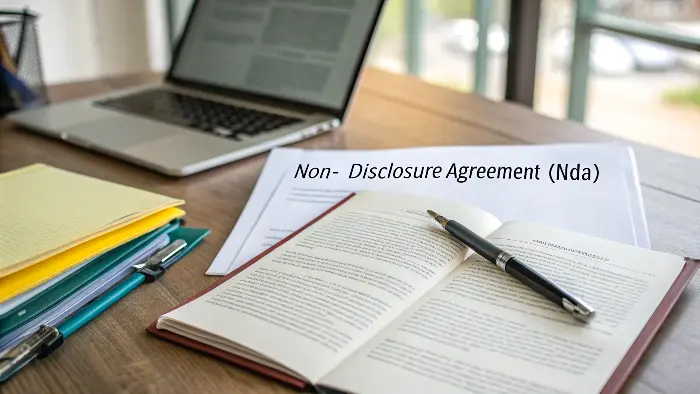
To protect your intellectual property (IP), always start by signing a Non-Disclosure Agreement (NDA) with the potential supplier before sharing any files. Choose a partner with a strong reputation and clear internal policies for data security. A trustworthy supplier will respect your IP as their most important asset because their business depends on long-term trust with clients like you.
Protecting client IP is the foundation of my business at QuickCNCs. Without trust, there is no partnership. I make it clear to every client that their designs are treated with the same security as our own. A few years ago, a medical device company was hesitant to outsource a key component for a new surgical tool. They were worried about knock-offs. I walked them through our security process. We signed a detailed NDA, and I explained how their files are stored on a secure, isolated server with access limited only to the project manager and the lead machinist. We also showed them that our business is built on long-term relationships with innovative companies, and that we would never jeopardize that for a short-term gain. That transparency gave them the confidence to move forward.
The Role of an NDA
A Non-Disclosure Agreement is your first line of defense. It is a legal contract between you and the supplier that prevents them from sharing your confidential information with anyone else. While enforcing an NDA internationally can be complex, its primary purpose is to set a clear, professional expectation. A reputable supplier will have no problem signing a reasonable NDA. If a company is hesitant or refuses to sign, that is a major red flag. Walk away immediately. Your NDA should be in both English and Chinese to be more effective in China.
Supplier’s Internal Policies
An NDA is a legal document, but what really protects you are the supplier’s day-to-day operational habits. A trustworthy partner will have robust internal systems to protect your data.
- Secure File Handling: Ask them how they manage CAD files. Do they use a secure server? Who has access? Files should not be sent around casually in emails or messaging apps.
- Access Control: On the shop floor, only the people directly working on your project should have access to the drawings.
- Reputation is Key: The best protection is working with a company that has a long and public track record of successfully working with international clients. Check for testimonials or references. A company that has spent years building a good reputation has too much to lose by mishandling a client’s IP. They understand that trust is the basis for a successful global business.
Conclusion
Choosing the right CNC partner in China is about more than just price. It’s about finding a true partner who has the right technology, communicates clearly, respects your designs, and delivers real value. By following these steps, you can build a reliable and successful manufacturing relationship.